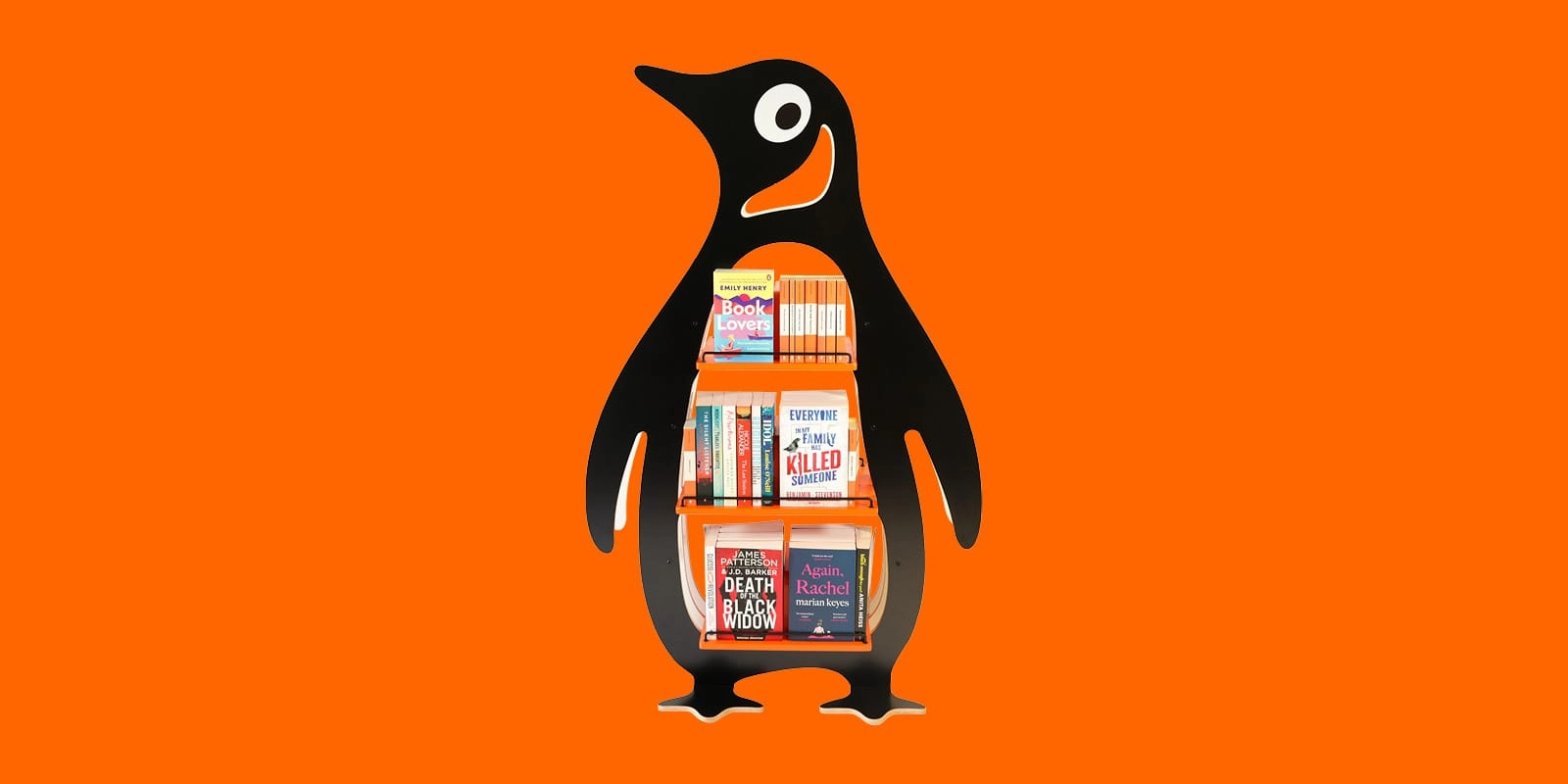
The Global Giant: An Overview of Penguin Random House
To understand the modern publishing landscape, one must look at Penguin Random House, a global powerhouse born from the historic merger of two industry giants. The company’s story is one of scale and diversity, a powerful force dedicated to connecting stories with a universal readership. It is a publisher of monumental influence, a home for countless creative voices, and a testament to the enduring power of the printed word in the 21st century.
A Tale of Two Houses
The history of Penguin Random House is the collective history of two of the world’s greatest publishing brands. Random House was founded in New York by Bennett Cerf and Donald Klopfer in 1927. Its inception was derived from the initial intention of its founders to “publish a few books on the side at random.” In 1934, the company made its name by publishing the first approved American edition of James Joyce’s Ulysses, emerging as a serious literary publishing company.
On the other side of the Atlantic, Penguin Books was created by a stroke of brilliance in 1935. Its creator, Allen Lane, was annoyed at the absence of decent, reasonably priced paperbacks. He founded the firm with a plan to produce books that were “easily and casually bought as a packet of cigarettes.” The firm’s characteristic cover design and low price helped change the landscape, offering fine literature to the people. The two houses, with their rich and distinct histories, combined in 2013 to create the world’s largest trade publisher.
A Universe of Imprints
One of the defining characteristics of Penguin Random House is its vast collection of imprints. Made up of more than 300 editorially independent publishing imprints, the business operates on a decentralized system whereby each subsidiary is at liberty to maintain its unique character and publishing orientation. This model ensures a wide range of titles from literary fiction and best-selling non-fiction to children’s literature and academic books.
Among its most famous imprints are Alfred A. Knopf, renowned for its serious literary fiction and nonfiction; Doubleday, for blockbuster bestsellers; Viking, for bringing great classic and contemporary literature to the fore; and Penguin Classics, through which the world’s greatest works continue in print. This wide range of imprints allows the company to publish books to suit every type of reader, on every possible topic.
Key Imprints of Penguin Random House
| Imprint | Specialty |
|---|---|
| Alfred A. Knopf | Literary Fiction & Nonfiction |
| Doubleday | Blockbuster Bestsellers |
| Viking | Classic & Contemporary Literature |
| Penguin Classics | The World’s Greatest Works |
A Mission for a Global Audience
Penguin Random House’s vision is straightforward: to “spark a universal love of reading by publishing books for every reader.” They do this through their global presence to bring together authors and readers across over 20 nations. They have been the home to over 80 Nobel Prize laureates and hundreds of the best-selling authors in the world, from literary titans to pop culture icons. The vast resources of the company and global reach provide authors with a unique stage to share their ideas and stories.
Four Classic Penguin Random House Books
With over 300 imprints, Penguin Random House has released hundreds of thousands of books that have shaped history and culture. Below are four titles that demonstrate the enormous reach and diversity of its literary legacy.
- Ulysses by James JoyceReleased by Random House in 1934, the book is not just a modernist classic; it is a symbol of creative freedom that the publisher represents. After censorship issues for the novel, Random House won a historic obscenity trial, which permitted free publication of challenging literary novels in the United States. It was a turning point for the publisher and the literary world.
- The Grapes of Wrath by John SteinbeckAn American literary classic, the novel was first published by Viking Press, which became a significant imprint of Penguin Random House. Published in 1939, Steinbeck’s powerful and compassionate narrative of migrant farm workers in the Great Depression won the Pulitzer Prize and is a classic of the American literary canon. It is an example of the role of the company in publishing essential social and historical narratives.
- Dan Brown’s The Da Vinci CodePublished by Doubleday, the novel was a worldwide phenomenon and one of the all-time best-selling novels. With history, conspiracy, and suspense combined, it captivated millions of people and became a cultural reference point. The success of The Da Vinci Code demonstrates Penguin Random House’s unparalleled ability to publish and distribute massive commercial blockbusters to readers around the world.
- Douglas Adams’ The Hitchhiker’s Guide to the GalaxyFirst published in book form by Penguin Books in 1979, this science fiction comedy was first conceived as a radio series but ended up as a lovable book. The novel’s wacky sense of humor and philosophical debate attracted a massive cult following and made it a contemporary classic. It is an excellent instance of the publisher’s eclectic range and its capability to release avant-garde, genre-bending titles.
Interesting Facts
- A “Random” Name: The company was named “Random House” by its founders, Donald Klopfer and Bennett Cerf, who decided that they would “publish a few books on the side at random.”
- A Six-Pence Revolution: Penguin Books was founded when the original paperbacks cost sixpence, the price of a packet of cigarettes during those times. This clever pricing brought good books within the reach of the common man.
- The Penguin Logo: The iconic penguin logo was not the result of a lengthy design process. It was sketched out by an in-house junior office employee, Edward Young, who was just 21 years old, after being sent to the London Zoo to search for an appropriate symbol for the company.
- A World Family of Writers: The firm and its divisions have hosted more than 80 Nobel laureates and 129 Pulitzer Prize winners, evidence of the firm’s commitment to publishing the greatest world literature.
Conclusion
In a rapidly changing world, Penguin Random House represents the scope and vision of publishing today. It is a company that honors the traditions of its founding houses but continues to grow to serve the needs of readers and writers today. From literary classics and life-affecting nonfiction to bestselling writers, the scope of the company attests to its enthusiasm for the power of books to educate, entertain, and inspire, allowing stories to continue shaping our world. This nursing essay writing service EssayPro provides clear, reliable writing solutions that improve grades and reduce student stress. Essay writing providers where you can pay for Master’s research paper writing deliver custom papers that balance academic integrity, clarity, and professional presentation.